
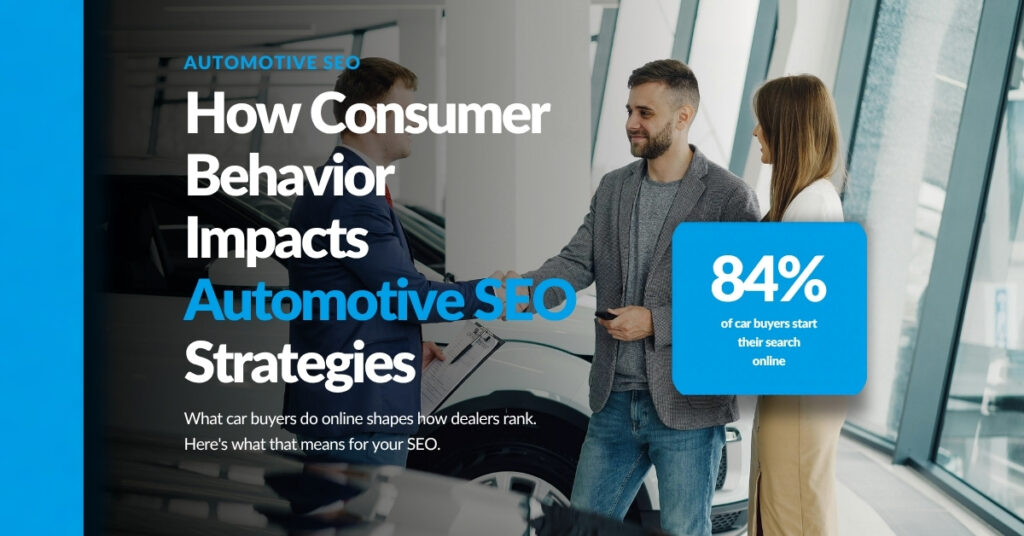
Ever wondered why some dealerships are always at the top of search results? Others seem invisible to buyers.
The secret is knowing your customers’ online path. Today’s car shoppers spend weeks online before visiting a dealership. They look at models, read reviews, and compare prices on different sites.
This change in how people buy cars has changed digital car marketing a lot. Research shows 84% of people trust online reviews as much as friends’ advice. These reviews affect your dealership’s search rankings and how many people buy from you.
Social media is now a key place for buyers to find real feedback. They look for genuine experiences from other customers.
This guide will help you match your online presence with what buyers expect today. You’ll learn how to be more visible and connect with customers at every step of their journey.
Key Takeaways
- Modern car buyers research online for weeks before contacting dealerships, making your digital presence critical to success
- Customer reviews carry the same weight as personal recommendations, directly affecting your search engine rankings
- Understanding buyer search patterns helps you create content that matches their specific needs and questions
- Social media platforms have become primary research channels where customers evaluate dealerships
- Aligning your SEO approach with actual customer behavior patterns drives more qualified traffic to your business
- The connection between what buyers want and what you offer online determines your competitive advantage
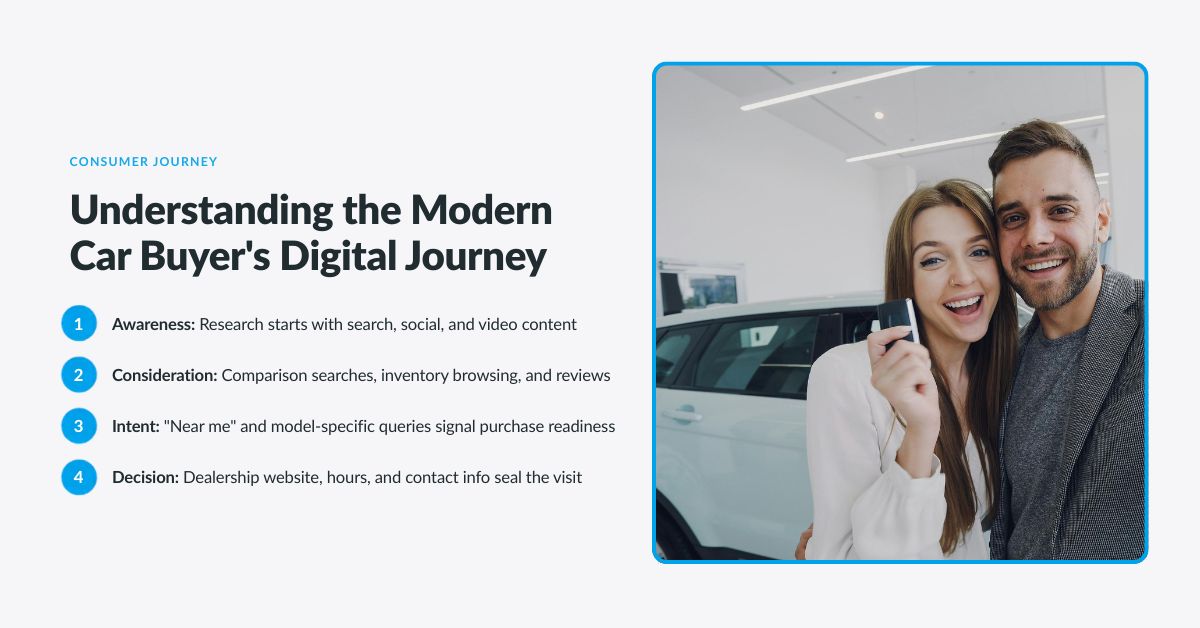
Understanding the Modern Car Buyer’s Digital Journey
Today, most car shopping happens online before buyers even visit a dealership. This big change is a key shift in how cars are sold. Knowing about this digital change is not just helpful; it’s key for your dealership to grow and stay strong.
Online car shopping has changed a lot in just five years. Buyers want quick, easy digital experiences. They look for info fast, use comparison tools, and often buy online.
We guide dealerships through this new world. We focus on understanding where buyers spend their time and what they look for at each step.
From Traditional Showrooms to Digital Screens
The old way of selling cars is gone. Now, buyers start their search online, not in showrooms. This big change means dealerships must change how they market and use SEO.
Your website is now the first showroom for buyers. If it’s hard to find or not good, they’ll look elsewhere. This means your online presence is more important than ever.
Here’s what you need to think about:
- Your website must answer questions that salespeople once handled in person
- Your content needs to build trust before any human interaction occurs
- Your online inventory and information must be accurate and complete
- Your digital experience must work well on all devices
Dealerships that focus on digital are getting more leads and saving on ads. This shift is happening fast.
Navigating Multiple Digital Touchpoints
Today’s buyers don’t follow a simple path. They jump between different digital places, gathering info and opinions. Knowing these places is key for good SEO.
Buyers use many platforms in their search. They might start on social media, then search online, watch videos, read forums, check dealer sites, and go back to search engines. This shows how complex their journey is.
Here’s what the research phase looks like:
Research Stage
Primary Channels
Buyer Intent
Content Needs
Each digital touchpoint is a chance to influence a buyer. Your SEO strategy must be strong at every step. We help dealerships create content that meets each need.
Online car shopping isn’t just one thing. Buyers look for consistent, helpful info everywhere. Your digital strategy must match this.
Time Investment in Digital Vehicle Research
Buyers spend a lot of time researching online before buying. On average, they spend 14 hours or more.
This time is spread out over days or weeks. Buyers are thorough, reading reviews, watching videos, and comparing cars. They’re also checking payment options and looking at dealership reputations.
This long research time changes how you approach SEO. You need content for the start of their journey, the middle stages, and when they’re ready to buy.
By the time buyers contact you, they know a lot. They might know more about cars than some salespeople. This means you need to change how you create content and sell cars.
We’ve created plans to help dealerships make content calendars that fit this long research time. Our approach helps you provide value at every step, building trust until they’re ready to buy.
Understanding how much time buyers spend researching shows why SEO is so important. With 14+ hours of research, you have many chances to show up in their searches, answer their questions, and be the trusted choice.
Car Buyer Search Trends That Shape SEO Priorities
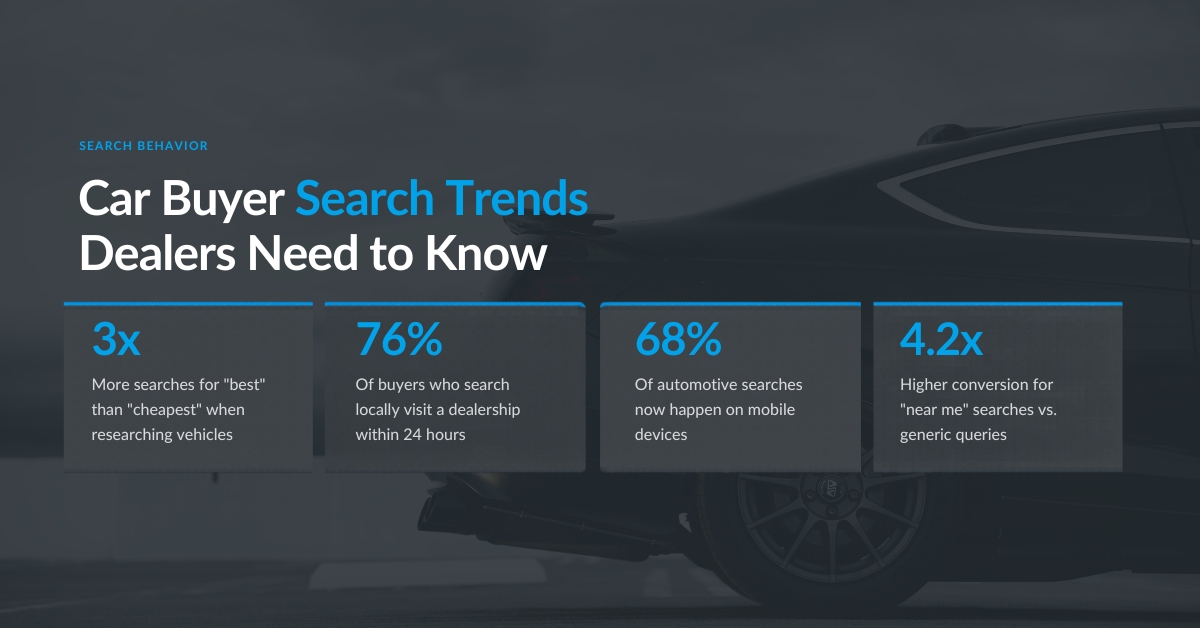
Car buyers’ online search habits offer valuable insights for your SEO strategy. These patterns show where buyers are in their journey and what they need. Understanding these trends changes how you create content and where you spend your marketing budget.
At different stages, buyers ask different types of questions. Early on, they explore options with broad questions. Later, they use specific terms that show they’re ready to buy. Your SEO should reach both types of buyers to fill your sales pipeline.
Buyers Bridge helps dealerships use these insights to their advantage. Knowing what buyers search for lets you create timely content. This alignment is key to successful automotive SEO.
Informational vs. Transactional Search Queries
Informational searches show buyers are learning and comparing. They might ask “what’s the best gas mileage in a midsize sedan” or “how reliable are electric vehicles.” These searches indicate curiosity, not immediate buying intent.
Transactional searches, like “2024 Toyota Camry price” or “schedule test drive near me,” show buyers are closer to making a decision. These searches need content that encourages action.
Your SEO should have both types of content. Informational content builds authority and attracts early-stage researchers. Transactional content converts those ready to buy. Aim for 60% informational and 40% transactional content to keep a balanced pipeline.
Long-Tail Keywords in Automotive Searches
Long-tail keywords offer a big opportunity in automotive SEO. While “SUV for sale” gets many searches, it’s too broad. Searches like “best used trucks under 30k for towing” show higher intent.
Specific Model and Feature Queries
Buyers search with specific needs in mind. They might ask “which SUV has the best third-row legroom” or “Honda CR-V vs Toyota RAV4 cargo space.” These searches are valuable because they show high intent and specific needs.
Creating content around these specific queries makes your dealership seem like an expert. Answering these questions thoroughly grabs attention during the critical comparison phase. This is when buyers are choosing which dealerships to visit.
Problem-Solving Search Patterns
Many buyers search to resolve concerns or validate decisions. They might ask “Toyota Highlander reliability problems” or “should I buy or lease a new car.” These searches offer chances to address doubts before they visit your lot.
Content that tackles these concerns builds trust. Acknowledging common issues and providing honest answers makes your dealership a trusted advisor. This approach leads to sales and referrals.
Seasonal Search Patterns in Vehicle Shopping
Car buyer search trends follow seasonal patterns. There are spikes in searches during tax refund season, year-end sales, and back-to-school periods. Search volume can increase 30-40% during these times.
Understanding these trends helps you prepare content in advance. Create seasonal content 6-8 weeks before peak periods to rank higher. This ensures your dealership gets noticed when buyers are ready to buy.
Weather also affects searches in certain regions. In northern states, AWD vehicle searches increase as winter approaches. In warmer climates, convertible searches spike in spring. Local optimization for these regional trends gives you an edge over national competitors.
Vehicle Search Intent and Keyword Strategy
Keywords show what people need from your dealership right now. Understanding vehicle search intent is key to good automotive SEO. It’s not just about ranking for keywords, but for the right ones at the right times.
We’ll help you create a keyword strategy that meets buyers at every step. Successful dealerships don’t just chase high-volume keywords. They build strategies that address different search types and intentions.
Good auto industry keyword research starts with knowing not all searches are the same. Someone searching “how to choose a car” is different from someone looking for “Toyota Camry dealer near me.” Your content must address both, but in different ways.
Mapping Keywords to Purchase Funnel Stages
Every good automotive SEO strategy maps keywords to specific stages of the purchase funnel. This ensures your content matches what buyers need at each stage. It’s like meeting customers with the right information at the right time.
The purchase funnel has three stages: awareness, consideration, and decision. Each stage needs different content and targets different search queries. Let’s look at what works at each level.
Awareness Stage Keywords
Awareness stage keywords are broad and educational. Searchers are identifying their needs and exploring options without committing to specific brands or models. These queries focus on problems, questions, and general information gathering.
Examples of awareness stage keywords include “most reliable family cars,” “electric vehicle benefits,” “first-time car buyer guide,” or “what to look for in a used SUV.” Your content for these keywords should educate and inform without heavy selling.
Blog posts, educational guides, and informational videos work best for this stage. Focus on building trust and establishing your dealership as a helpful resource. The goal here isn’t immediate conversion—it’s getting on the buyer’s radar early.
Consideration Stage Keywords
Consideration stage keywords show buyers are actively comparing options and narrowing their choices. These searches indicate someone evaluating specific vehicles, features, or dealership services. The intent becomes more focused and comparative.
Searches like “Honda Accord vs Mazda6,” “best certified pre-owned programs,” “Toyota safety features comparison,” or “lease vs buy calculator” indicate someone in the consideration phase. This is where detailed comparison content becomes critical.
Model-specific pages, comparison charts, feature explanations, and financing calculators serve these searches well. Buyers want detailed information that helps them make informed decisions between competing options.
Decision Stage Keywords
Decision stage keywords reveal immediate purchase intent. These searchers are ready to act and often include transactional language or specific requests. They’re looking for dealerships, inventory, pricing, and ways to take the next step.
Phrases like “Toyota Camry dealer inventory,” “schedule test drive,” “2024 Honda Pilot MSRP,” or “best lease deals this month” indicate someone preparing to make a purchase decision. Your transactional pages, inventory listings, and special offers need to rank for these terms.
Landing pages with clear calls-to-action, current inventory displays, special offers, and easy contact options convert these high-intent searches. Speed and clarity matter most at this stage.
Funnel Stage
Search Intent Type
Example Keywords
Best Content Types
Local Intent Signals in Automotive Searches
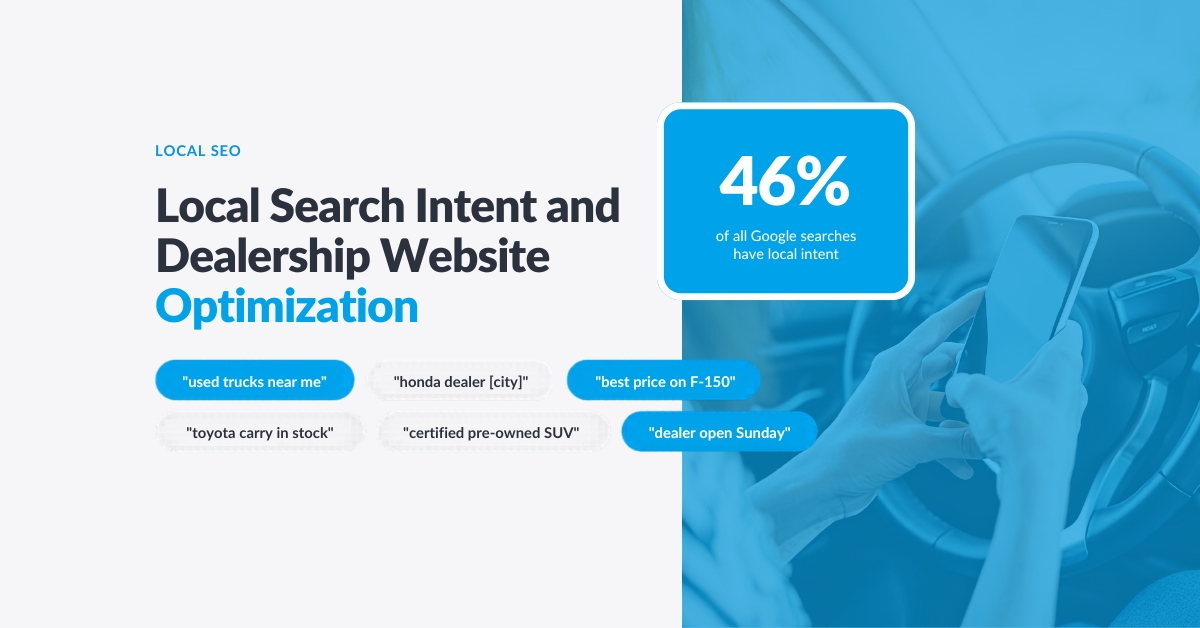
Local intent signals have become key in automotive searches. When someone adds “near me,” includes a city name, or uses location-specific terms, they’re ready to visit a physical location. Mobile devices drive most of these location-based queries.
Searches like “Honda dealership near me,” “used cars in Phoenix,” or “best service center nearby” carry strong local intent. These searchers want nearby options and often visit a dealership within 24-48 hours of searching.
Optimizing for local intent requires different tactics than general keyword optimization. Your Google Business Profile, location pages, and local schema markup become critical ranking factors. Local inventory searches demand real-time accuracy in your listings.
We help dealerships capture these high-value local searches through targeted optimization strategies. Local intent signals often indicate buyers who are further along in their journey and ready to take action quickly.
Brand vs. Generic Search Behavior
Understanding the difference between brand and generic search behavior shapes your entire keyword strategy. Some buyers start with brand loyalty—they’re searching “Ford dealerships” or “Toyota specials”—while others begin with generic searches—”reliable midsize sedans” or “best fuel economy SUVs.”
Brand searches indicate familiarity and often higher purchase intent. These buyers have already narrowed their options to specific manufacturers. Generic searches represent earlier-stage research where brand preference hasn’t formed yet.
Both patterns matter for your dealership, but they require different content strategies to capture effectively. Brand-focused content should highlight your specific inventory, services, and competitive advantages for that manufacturer. Generic content needs to educate and guide buyers toward considering the brands you represent.
Your auto industry keyword research should balance both approaches. Capture brand loyalists who already know what they want, while also attracting generic searchers who remain open to suggestions. This approach maximizes your total addressable market.
Mobile-First Behavior in Online Car Shopping
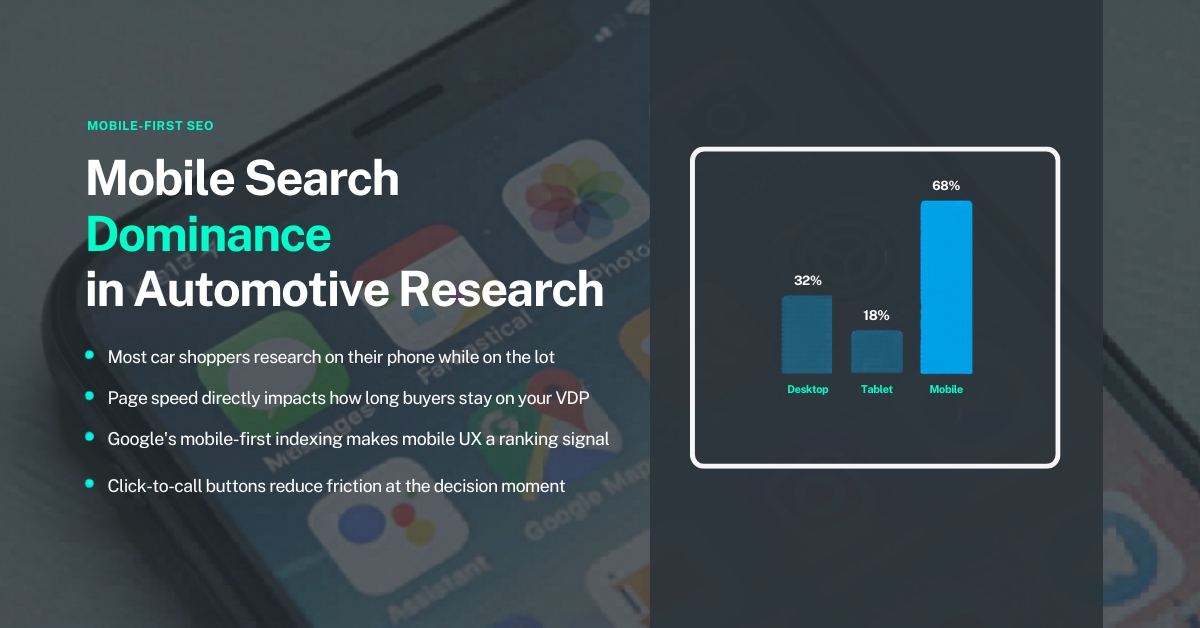
Your dealership’s mobile experience is key to SEO success today. Most car buyers start their search on mobile devices. This shift means your digital presence must meet them where they are.
We help dealerships optimize their mobile strategies. The results show how mobile optimization boosts search rankings and conversion rates. At Buyers Bridge, we’ve seen how it transforms automotive businesses.
Mobile Search Dominance in Automotive Research
Car shoppers use their phones for research. They check vehicles, compare prices, and browse inventory on their phones. Your website must offer great experiences on smaller screens.
Mobile search is now the top way to start car research. People quickly pull out their phones with questions. This changes how you should structure your content.
Research happens in many mobile sessions a day. Buyers might check inventory in the morning, compare prices during a break, and read reviews at night. Your mobile site needs to handle these brief interactions well.
Consider how customers use mobile devices for car shopping:
- Searching for specifications while test-driving a competitor’s vehicle
- Comparing prices across multiple dealerships from a parking lot
- Reading reviews and watching videos during short breaks
- Checking inventory availability while discussing options with family
- Looking up financing information before visiting a dealership
Click-to-Call and Map Integration Features
Mobile users want quick action when they find what they need. Click-to-call is a powerful tool for conversions. Customers often need immediate answers.
We stress the importance of easy-to-click phone numbers on your mobile site. Customers might want to confirm a vehicle’s availability, schedule a test drive, or ask questions. Easy calls increase the chance they’ll choose your dealership.
Map integration is also critical. When buyers search for dealerships on mobile, they often plan to visit right away. Easy navigation to your location removes barriers to visiting.
These mobile features capture high-intent customers:
- Clear, tappable phone numbers in headers and contact sections
- One-tap directions to your dealership location
- Quick messaging options for customers who prefer texting
- Integration with calendar apps for test drive scheduling
Customers often search while working on their vehicles or visiting other lots. This makes mobile optimization vital for automotive markets. Your site must deliver information quickly and clearly.
Mobile Page Speed Impact on User Engagement
Speed is critical on mobile. Shoppers expect instant results, and slow sites lose them to competitors. Page speed affects your rankings and conversion rates.
Google values mobile page speed for user engagement. Slow sites lead to lost traffic. We’ve seen dealerships lose traffic due to slow mobile pages.
Speed and mobile car shopping behavior are linked. People need information now. A slow site signals a frustrating dealership experience.
Several factors slow down mobile pages:
- Unoptimized images that are too large for mobile screens
- Excessive scripts and third-party tracking codes
- Poorly implemented responsive design
- Uncompressed files and resources
- Slow server response times
Core Web Vitals for Dealership Websites
Google’s Core Web Vitals measure user experience. These metrics affect how search engines and users see your site. Understanding them helps focus optimization efforts.
Largest Contentful Paint (LCP) measures loading performance. Your main content should load in 2.5 seconds for a good user experience. This means your featured vehicles and primary navigation should appear quickly.
First Input Delay (FID) tracks interactivity. Your site should respond to user input within 100 milliseconds. This makes the difference between a smooth mobile experience and a frustrating one.
Cumulative Layout Shift (CLS) measures visual stability. Your page elements shouldn’t jump around as the page loads. Unexpected shifts can confuse users and make them tap the wrong element.
We help dealerships improve these technical elements. Mobile-first behavior dominates the automotive market. Your Core Web Vitals scores reflect the experience you provide to customers. Optimizing for these metrics means optimizing for real people searching for their next vehicle.
How Consumer Behavior Impacts Automotive SEO Strategies for Content Creation
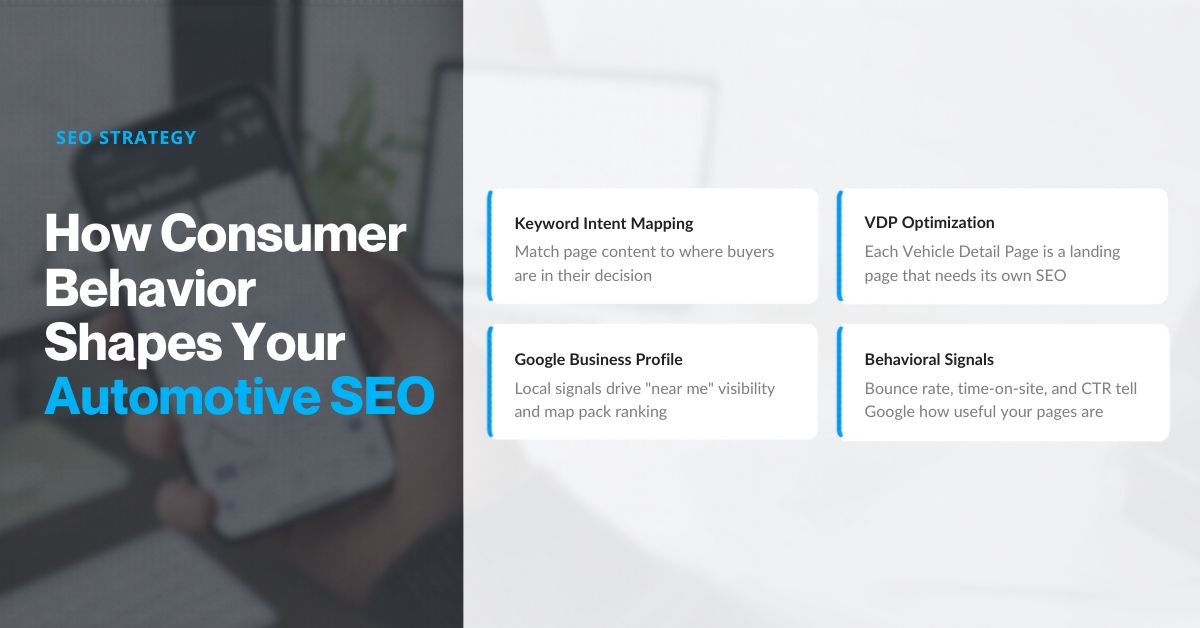
Creating content that matches what car buyers search for is key to successful digital marketing. It’s not just about filling your website with random blog posts. Instead, focus on creating content that directly addresses what buyers search for at each stage of their journey.
The right content answers real questions from real customers. It makes your dealership a trusted resource and captures valuable search traffic. This turns your website into a powerful tool for generating leads, working for you 24/7.
Understanding consumer behavior means mapping content types to search patterns. Buyers’ searches tell you exactly what they need. Your job is to provide it in the format they prefer.
Matching Content Types to Consumer Questions
Research shows what questions consumers ask about vehicles and car buying. Google’s “People Also Ask” feature reveals the exact queries they have. This data guides your content roadmap.
Different questions need different content formats. Early-stage researchers need educational resources. Consideration-stage buyers want detailed comparisons. Decision-stage shoppers look for final validation before purchasing.
We map content creation to these search patterns. This ensures every piece of content serves a strategic purpose. Each article, guide, or video targets specific search queries that drive qualified traffic.
Buying Guides and Comparison Content
Buying guides serve early-stage researchers who need foundational knowledge. Titles like “First-Time Car Buyer’s Guide” or “How to Choose Between SUV Sizes” capture awareness-stage traffic. These resources establish your dealership as an educational authority.
Comparison content targets consideration-stage buyers evaluating specific options. Articles like “2024 Honda CR-V vs Toyota RAV4: Complete Comparison” appear when buyers actively compare vehicles. Both content types are essential for a complete SEO strategy.
The key difference lies in search intent. Buying guides answer “how” and “what” questions. Comparison content addresses “which” and “versus” queries. Together, they cover the full spectrum of informational searches.
Educational Blog Posts
Car buyers have countless questions throughout their journey. Posts about financing options, maintenance costs, safety features, and technology explanations all serve strategic purposes. They keep users engaged with your content ecosystem.
Educational content builds trust before the sales conversation begins. When customers arrive at your dealership already viewing you as a helpful expert, the sales process becomes consultative. This shortens sales cycles and improves conversion rates.
Topics should address real customer concerns. What are people asking your sales team? What objections come up repeatedly? Turn these conversations into content that preemptively answers questions and builds confidence.
Video Content Consumption Patterns
Video has become central to automotive research. Buyers want to see vehicles in action before visiting dealerships. They watch test drive videos, feature demonstrations, and customer testimonials to understand the ownership experience.
Creating video content expands your visibility across multiple platforms. Videos appear in traditional Google search results and YouTube searches. This gives you multiple opportunities to be discovered by customers.
Virtual tours, feature walkthroughs, and comparison videos all serve different purposes. Test drive videos help buyers experience the vehicle vicariously. Feature demonstrations explain technology that’s hard to convey in text. Customer testimonials provide social proof.
Video optimization requires attention to titles, descriptions, and tags. Use the same keyword research that guides your text content. Transcripts make video content accessible to search engines and improve overall SEO performance.
Comparison Shopping Content Optimization
Buyers actively compare vehicles before making decisions. They evaluate specifications side-by-side, compare total ownership costs, and read expert opinions. Creating detailed comparison content positions your dealership at this critical decision-making moment.
Comparison pages should go beyond basic spec sheets. Include real-world performance data, ownership cost projections, and feature-by-feature analysis. Tables make information scannable and help buyers process multiple data points quickly.
Understanding consumer behavior means anticipating what buyers want to compare. Which models do they cross-shop most frequently? What features matter most in their decision process?
Content Type
Buyer Stage
Search Intent
Example Topics
SEO Impact
This strategic approach to content creation ensures every piece serves multiple purposes. It attracts search traffic, answers customer questions, builds trust, and guides buyers toward conversion. That’s how content becomes a revenue driver, not just a marketing expense.
Local Search Behavior and Dealership Website Optimization
Understanding local search patterns changes how we optimize dealership websites. Automotive dealerships need to focus on their location to succeed. They must understand how car buyers search for vehicles in their area.
Local search optimization is key to standing out. At Buyers Bridge, we help dealerships dominate their markets. We use our local SEO expertise to match consumer behavior patterns.
Near Me Searches in Automotive Context
Near me searches have changed how people find dealerships. When someone searches for “Toyota dealership near me,” they’re ready to visit. These searches are valuable for dealerships.
Most of these searches come from mobile users. They often search while driving, looking for immediate solutions. This creates opportunities for dealerships with a strong local presence.
To optimize for near me searches, your website needs accurate location data. You also need location-specific pages. These pages should clearly show where you are and what areas you serve.
Car buyer search trends are getting more specific. People are searching for “certified pre-owned BMW near me.” They combine location intent with specific inventory interests.
Google Business Profile Optimization for Dealerships
Your Google Business Profile is your digital storefront. It appears in Google Maps and local search results. Optimizing this profile increases your local visibility and drives traffic to your dealership.
Complete profiles perform better. Make sure your profile has accurate business information. Include your address, phone number, website, and hours of operation. High-quality photos of your dealership help customers visualize visiting.
Regular activity on your profile signals to Google that your business is active. Post updates, respond to reviews, and answer questions. This activity improves your local search rankings.
We recommend treating your Google Business Profile as an active marketing channel. The insights Google provides help refine your website optimization strategy.
Review Management
Reviews impact search rankings and consumer trust. Google looks at review quantity, quality, and recency. A dealership with 200 reviews and a 4.5-star rating will outrank a competitor with fewer reviews.
A dealership with 200 reviews and a 4.5-star rating will outrank a competitor with fewer reviews.
Encourage satisfied customers to leave Google reviews. Train your teams to request reviews at the right time. Make it easy by providing direct links to your review page.
Responding to all reviews is important. Thank customers for positive reviews and address concerns in negative reviews. This shows you value feedback and care about customer satisfaction.
Post Updates and Special Offers
Google Business Profile posts keep your listing active. They give customers reasons to engage. These posts appear in your profile and increase visibility for offers.
Post regularly about new inventory and special offers. Share financing deals, service specials, and dealership events. These updates provide fresh content and keep your dealership top-of-mind.
Posts expire after seven days, so consistency is key. Create a posting schedule to maintain regular visibility without overwhelming your team.
Local Inventory Searches and Schema Markup
Local inventory searches combine location intent with specific vehicle interest. When someone searches for a “2024 Honda CR-V for sale near me,” they’re ready to buy. Proper optimization captures this valuable traffic.
Schema markup helps search engines understand your inventory. It can display your vehicles in search results. Rich search results stand out and drive traffic to your inventory pages.
Vehicle inventory schema includes details like make, model, and price. Proper implementation creates enhanced search listings. These listings show buyers what you have in stock before they visit your website.
The technical implementation requires coordination between your website and inventory system. Many platforms include schema markup functionality. Proper configuration and testing ensure effectiveness.
Local inventory optimization and strong Google Business Profile management create a powerful strategy. This approach ensures your dealership appears prominently when nearby shoppers search for vehicles you have in stock.
Trust Signals and Customer Experience in Car Sales
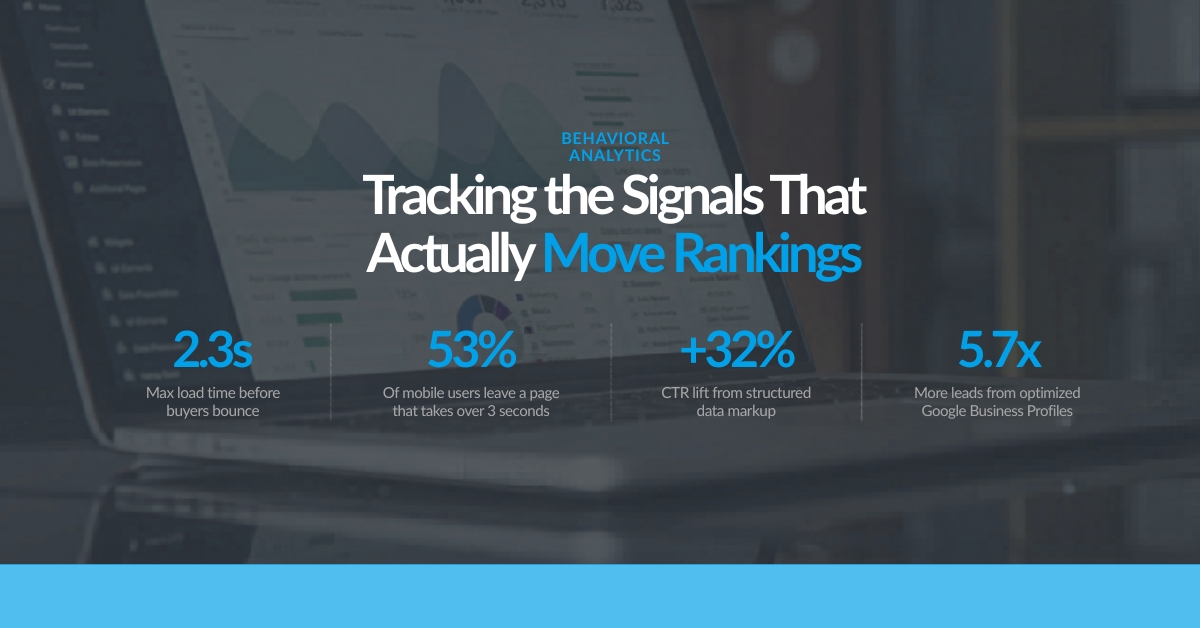
Your dealership’s online reputation is key. It affects both customer decisions and search engine rankings. Building trust online is now essential for good automotive SEO. The customer experience in car sales goes beyond the showroom floor.
Trust signals play a big role in the car buying journey. Buyers look for validation at every stage. Search engines reward businesses with good customer feedback.
Online Reviews Influence on Search Visibility
Online reviews are trusted as much as personal recommendations. This affects how search engines rank your dealership. Reviews boost your search visibility in several ways.
Search engines look at review quantity, quality, and when they were posted. More positive reviews mean higher rankings in local search results. This is a proven factor in local search algorithms.
Reviews also affect how many people click on your search result. Listings with more stars and reviews get more clicks. This tells search engines your result is high quality.
Reviews add fresh content that search engines can index. They often include keywords that people use when searching. This makes your dealership more relevant for car searches without extra effort.
Social Proof in the Automotive Purchase Decision Journey
Buying a car is a big decision. Social proof is very powerful in this market. Buyers look for validation from others who’ve made similar choices.
Social proof reduces the risk of buying a car. When buyers see many positive experiences, they feel more confident. This leads to better engagement and higher conversion rates.
Testimonials and Case Studies
Testimonials and case studies offer detailed customer experiences. They share the whole journey from research to purchase. These stories connect with buyers in similar situations.
These stories are valuable content opportunities. They can rank for specific search queries. Consider collecting these stories systematically.
- Request detailed testimonials from customers who had exceptional experiences
- Create video testimonials that show real customers and their vehicles
- Develop case studies highlighting specific customer needs you solved
- Feature these stories prominently on relevant service and inventory pages
- Optimize testimonial content with natural keywords from actual customer language
Third-Party Review Sites
Your reputation is not just on your website and Google Business Profile. Sites like DealerRater, Edmunds, Cars.com, and Yelp are important. They show up when people search for your dealership name.
These sites are part of the research phase. You can’t control them directly, but you can influence what appears. Claim your profiles, encourage reviews, and respond to feedback.
Each platform has its own community and authority. DealerRater focuses on automotive retail. Edmunds and Cars.com integrate reviews with vehicle research tools. Yelp brings local search strength and mobile visibility. Managing your presence across all platforms creates strong social proof.
Reputation Management and SEO Performance
Reputation management and search rankings are closely linked in automotive markets. We help dealerships manage their online reputation. This includes generating positive reviews and addressing negative feedback.
This isn’t about manipulating reviews. It’s about making it easy for satisfied customers to share their experiences. Authentic reputation management boosts both customer trust and search visibility.
Effective reputation management includes several key components:
- Creating simple processes for requesting reviews at optimal moments in the customer journey
- Responding promptly and professionally to all reviews, both positive and negative
- Monitoring multiple platforms to understand overall reputation trends
- Addressing negative feedback as opportunities to demonstrate excellent service recovery
- Showcasing positive reviews across your website and marketing materials
The connection between trust signals and search performance creates a cycle. Better reviews lead to higher rankings, which attract more customers. This cycle requires effort, but it’s a competitive advantage once established.
Voice Search and Conversational Queries in Auto Industry
Now, people talk to devices instead of typing. This change has made a big impact on how we search for cars. Smart speakers and voice assistants are key players in this shift. Dealerships need to catch up to stay ahead.
Speaking and typing are very different. This difference brings new challenges and chances for car dealers. Voice searches are longer, more detailed, and sound like real conversations.
Dealerships must adapt to these changes. Those who do well with voice search get noticed by people who prefer not to type. As voice tech gets better, this advantage will grow.
Natural Language Processing in Vehicle Searches
How search engines understand car searches has changed. A typed search might be “best family SUV 2024.” But a voice search could be “What’s the best SUV for a family of five?”
Voice searches are more natural and detailed. For example, someone might ask “Which trucks get the best gas mileage for highway driving?” instead of typing “fuel efficient trucks.”
Search engines now get these natural phrases. They understand the real questions behind them. Your content should match this conversational style to show up in voice searches.
There’s been a big shift in how people search for cars with voice tech. Searches are more specific and question-like. Creating content that answers these questions helps your dealership succeed in voice searches.
Question-Based Keywords and Featured Snippets
Voice assistants often use featured snippets as answers. Being in these top spots means your content might be read aloud. This is a big chance for your dealership.
Make your content easy to understand with clear questions and answers. Use header tags to highlight questions. Then, give direct answers right after.
The format of your content is important too. Short paragraphs and lists work well for featured snippets. This makes it easier for algorithms to pick your content.
Understanding what people are searching for helps you create targeted content. Each question you answer is a chance to capture a voice search.
Who, What, Where, When, and How Questions
The five W’s and H are key in voice searches for cars. Each type of question shows different needs and stages of searching.
Question Type
Example Voice Query
Search Intent
Content Strategy
Creating FAQs that answer these questions systematically helps. Blog posts focused on common questions can attract voice search traffic. Each answer is a chance to attract new customers.
People want quick, specific answers. Voice search highlights this need. Your content should be clear and direct.
Optimizing for Voice-Activated Devices
Voice search is used in places where screens aren’t handy. People use voice assistants while driving, cooking, or working. They seek quick answers without looking at screens.
This hands-free context changes how you should present your content. Make sure the most important info is in the first sentences. Voice assistants usually only read the beginning of content.
Technical optimization is also key. Fast-loading pages do better in voice search results. Use schema markup to help voice assistants understand your content better.
Mobile optimization is even more important with voice search. Most voice queries come from mobiles. Make sure your site loads fast and looks good on smartphones to improve voice search performance.
Understanding voice search reveals opportunities that traditional keyword research misses. We help dealerships find the most common voice search queries in their areas. Our strategy creates content that captures this growing search behavior.
The car industry keeps evolving with technology. Dealerships that adapt to voice search stay ahead of competitors. As voice tech gets better, this advantage will grow even more.
Behavioral Data Integration with Auto Industry Keyword Research
Your website collects thousands of behavioral signals daily. These insights are key to smarter auto industry keyword research. By combining real user behavior data with keyword strategy, we create campaigns based on how car shoppers interact with your content.
The best automotive SEO strategies don’t just follow industry trends. They mix search data with behavioral analytics to find what works.
We use behavioral data to answer important questions. Which keywords attract the right traffic? What content keeps users engaged? Where do customers drop off in their research?
Analytics Insights for SEO Strategy Development
Analytics platforms offer a wealth of information on online car shopping behavior. This impacts your keyword strategy. We gather data from various sources to understand user interactions fully.
Google Analytics shows traffic patterns, revealing which pages attract visitors. It tracks user behavior from first click to final conversion. This helps us see what content supports the purchase decision.
Google Search Console shows which queries bring visitors to your site. This data reveals missed opportunities and keywords that could perform better with optimization.
Heat mapping tools show where users click, scroll, and spend time on your pages. This visual data helps us see which content elements capture attention and which are ignored.
Together, these data sources guide our keyword selection and content development. We identify top-performing content to replicate, underperforming pages to optimize, and gaps for new content.
User Engagement Metrics and Search Rankings
Search engines now measure content quality through user engagement signals. How people interact with your site after clicking from search results affects your rankings.
These signals tell search engines if your content meets user intent. Strong engagement metrics boost your visibility, while poor engagement can hurt rankings.
Dwell Time and Scroll Depth
Dwell time shows how long visitors stay on your page after clicking from search results. Longer dwell times mean your content meets their needs.
When users immediately return to search results, it signals your content didn’t meet their expectations. This pattern can negatively impact rankings.
Scroll depth reveals how much of your content users consume. If most visitors leave after reading just the headline and opening paragraph, your content may not be engaging enough or match search intent.
We analyze these metrics to find content that keeps users engaged. Pages with strong scroll depth and dwell time become templates for future content.
Click-Through Rate Optimization
Click-through rate measures how often users click your listing in search results. Even high rankings deliver limited value if your titles and descriptions don’t compel clicks.
We optimize title tags and meta descriptions to improve click-through rates. Compelling titles that accurately represent your content can dramatically increase traffic without changing your ranking position.
Testing different approaches helps identify what resonates with car shoppers. Adding numbers, asking questions, or highlighting specific benefits can all improve performance depending on your audience.
Higher click-through rates also signal relevance to search engines. When more users choose your listing over competitors, it can positively influence your ranking over time.
Bounce Rate Patterns in Automotive Websites
Bounce rate shows the percentage of visitors who leave your site after viewing only one page. But, interpreting bounce rates requires understanding the context and user intent.
Not all bounces indicate problems. If someone lands on your inventory page, finds exactly the vehicle they want, and calls your dealership immediately, that’s a successful interaction even though it counts as a bounce.
High bounce rates on informational content often signal keyword misalignment. Users aren’t finding what they expected based on the search query that brought them to your page.
We analyze bounce patterns alongside other metrics to identify genuine issues. A high bounce rate combined with low dwell time suggests content problems, while a high bounce rate with long dwell time might indicate successful quick answers.
By integrating behavioral insights with auto industry keyword research, we create strategies that drive the right traffic. Visitors who engage with your content and convert into leads and sales.
Engagement Metric
What It Measures
SEO Impact
Optimization Strategy
Automotive Search Algorithms and Personalization
Today, search results are not the same for everyone. Sophisticated algorithms create unique experiences for each user. This makes digital marketing in the automotive industry both challenging and powerful.
Understanding these algorithms helps you target real buyers. It’s about creating strategies that reach the right audience for your dealership.
How Search Engines Adapt to Individual User Behavior
Search engines now show different results to each user. They consider many factors, like past searches and location. This creates personalized experiences.
For example, two people searching “best SUV” might see different results. One might see luxury SUVs, while the other sees family-friendly options. This is based on their search history.
This personalization offers both opportunities and challenges for dealerships. You can appear more often for users in your area who are interested in cars. But, it’s harder to track your ranking because it varies by user.
We focus on metrics that matter more, like click-through rates and conversions. This helps you understand your true impact.
AI search is changing automotive SEO fast. Algorithm changes happen often. We help you keep up with these changes to stay effective.
Location-Based Result Customization
Search engines customize results based on location, even without a location query. Someone searching “Toyota dealership” in Chicago will see different results than someone in Phoenix. This happens instantly and without notice.
Location-based personalization goes beyond obvious searches. Even searches like “best family cars” may show local results. Search engines use query type and user behavior to determine local intent.
This offers big opportunities for dealerships with location-based strategies. Your content can appear for users in your area, even without them typing your city name. The key is creating content that shows you’re relevant to your local market.
Consider these location factors that affect your visibility:
- User’s physical location at time of search
- Home address associated with user’s account
- Previous location-based searches and visits
- Local business engagement history
- Device location settings and permissions
Optimizing for local visibility is more than just local SEO. It’s about creating content that ranks for users in your area across all their car searches.
Search History Impact on Automotive Query Results
Users who have searched for specific brands or topics before are more likely to see related results. If someone has looked at Honda models a lot, they’ll see more Honda results in future searches.
This means dealerships with strong content coverage have an advantage. Each time you appear in search results, you increase the chance of appearing in future searches. Consistent visibility builds momentum with algorithms.
This has big implications for your digital marketing strategy. Being present for multiple searches makes your dealership a familiar and trusted source. This signals to search engines that your content is relevant to that user’s interests.
Think about the buyer journey. A shopper might search for vehicle comparisons, then financing options, and so on. If your dealership appears in these searches, you create multiple impressions that reinforce your brand presence.
Retargeting Through Organic Search
While you can’t directly retarget in organic results like with paid ads, search personalization offers a natural retargeting effect. Search engines show familiar brands to returning users based on their engagement history.
When someone visits your website and searches for related terms later, they’re more likely to see your dealership. This organic retargeting happens without any advertising spend. It’s a natural result of how search algorithms prioritize personalized relevance.
This highlights the importance of having content for multiple related searches. Being present for these searches increases the chances of repeated impressions throughout a buyer’s research journey. Each positive interaction strengthens the connection between your dealership and that user’s car interests.
We help dealerships understand these algorithmic and personalization factors. This way, you can optimize for specific audiences, not just general visibility. The future of automotive SEO is about relevance to individual users, not one-size-fits-all rankings.
Our approach guides you in adapting your strategy. We analyze customer research and data to identify relevant behavior patterns. Then, we build content and optimization strategies that align with how real buyers in your area search and shop for vehicles.
Conclusion
The automotive industry is changing fast in 2025. AI is changing how buyers find dealerships online. To succeed, you need to understand how consumer behavior affects SEO.
We’ve looked at the digital journey of today’s car buyers. They start with research and end with “near me” searches. Each step is a chance to connect with them. Your SEO must answer their questions, offer content they like, and work on all devices.
Technical skills are key. You need to make your site mobile-friendly, fast, and easy to find locally. These steps help real people find what they need quickly.
Dealerships that win focus on SEO as an ongoing effort. They keep up with search trends and customer needs. This mix of data and understanding customers is key.
At Buyers Bridge, we help automotive businesses tackle these challenges. We teach dealerships to build strong digital marketing plans. We know your problems and offer solutions that work.
Want to improve your dealership’s online presence? Work with us to create an SEO strategy that matches how customers search and buy today.
FAQ
How does consumer behavior directly impact automotive SEO strategies?
Consumer behavior is key to automotive SEO. It shows what customers search for and when. This helps us create content that meets their needs at every stage.
Customers spend a lot of time researching online before buying. They use mobile devices and voice search. This tells us which keywords to use and how to structure our sites.Ignoring this behavior leads to poor SEO. We focus on what customers actually need, not just what we think they want.
What are the most important car buyer search trends dealerships should focus on?
There are several key search trends for dealerships. First, buyers have different needs at different stages. Early-stage buyers want information, while late-stage buyers want to schedule test drives.Long-tail keywords are also important. These specific phrases show what buyers are really looking for. Local searches are huge, with many looking for dealerships near them.Mobile searches are now the norm. Your site needs to work well on mobile devices. Seasonal trends also impact search volume, so be ready with targeted content.
How should dealerships optimize for local search behavior?
Optimizing for local search involves several steps. Start with a complete Google Business Profile. Make sure it has accurate info and high-quality photos.Use local inventory schema markup on your site. This helps search engines understand your inventory. Create content specific to your area and automotive terms.Optimize for “near me” searches by ensuring consistent location data. Encourage reviews and respond to them. This improves your local search rankings.Make sure your website clearly shows your address and contact info. This helps both search engines and users understand your location.
What role does mobile optimization play in automotive SEO?
Mobile optimization is critical for automotive SEO. Most buyers start their research on mobile devices. Google uses mobile-first indexing, so your mobile site is key.Slow mobile sites lead to high bounce rates. Make sure your mobile site is fast and easy to use. Use features like click-to-call and maps to help mobile users.Core Web Vitals are important for mobile sites. We work to make your mobile site exceptional, as it affects both visibility and conversions.
How do online reviews affect automotive SEO performance?
Online reviews impact SEO through several ways. They affect rankings, click-through rates, and user engagement. Positive reviews signal trust and value.Reviews provide fresh content that search engines crawl. They also help with branded searches. We help dealerships get positive reviews and use them to improve SEO and conversions.
What is vehicle search intent and why does it matter for keyword strategy?
Vehicle search intent is the purpose behind a search. Understanding it is key for creating relevant content. We categorize intent into stages like awareness and decision.Each stage requires different content types. Focusing on intent helps you create content that meets user needs. This approach ensures you’re not just ranking for keywords but also serving users.
How do dealerships create content that matches car buyer behavior?
Creating content that matches buyer behavior starts with understanding their questions. We use research tools to identify these questions. Then, we create content that addresses them.Early-stage buyers need educational content. Mid-stage buyers need comparisons. Late-stage buyers need transactional content. We help dealerships create content that serves each stage.
What is the impact of voice search on automotive SEO?
Voice search is changing automotive SEO. It involves natural language queries. We optimize content to match these queries.Voice searches are often longer and more specific. They reveal intent more clearly. We focus on optimizing for voice search to increase visibility.
How do behavioral analytics improve automotive SEO strategy?
Behavioral analytics transform SEO into a data-driven strategy. They reveal how users interact with your content. We use data from Google Analytics and other tools to optimize.Behavioral data helps us identify high-performing content and areas for improvement. It ensures our SEO efforts focus on activities that drive results. We continuously refine our strategies based on this data.
Why is understanding the car purchase decision journey important for SEO?
Understanding the car purchase journey is key for SEO. It shows where and when to show up in search results. The journey involves multiple touchpoints.Each touchpoint offers an opportunity to connect. We optimize content for each stage, from awareness to decision. This approach captures traffic at every stage and builds trust.
How do automotive search algorithms use personalization?
Search algorithms use personalization to deliver relevant results. They consider factors like location and past searches. This creates opportunities and challenges for dealerships.Personalization means your content can be highly targeted. But it also means rankings can vary by user. We adapt strategies to this personalized search landscape, focusing on relevance and content coverage.
What is dealership website optimization and why does it matter?
Website optimization is key for dealerships. It involves improving technical performance, content quality, and user experience. Your website is your digital showroom.Technical optimization includes page speed and mobile-responsive design. Content optimization involves creating valuable content that addresses customer questions. User experience optimization makes it easy for visitors to find what they need.Search engine optimization ensures your site is easily crawled and understood. We take a holistic approach to optimization, as all these elements work together. Optimization is ongoing due to algorithm changes and consumer behavior shifts.
Ready to Launch Smarter?
If you’re ready to cut down setup time, boost performance, and finally scale without stress, it’s time to automate ad strategies with BuyerBridge.
Get more from your campaigns—without doing more work.